This is a great recipe for all those odds and ends of ham that are left after slicing. It’s also a good way of using the hock or shank of a pig’s leg.

This is a great recipe for all those odds and ends of ham that are left after slicing. It’s also a good way of using the hock or shank of a pig’s leg.
Original post made in 2007.
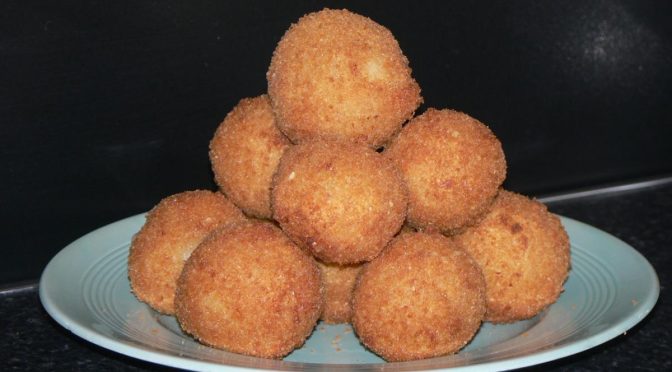
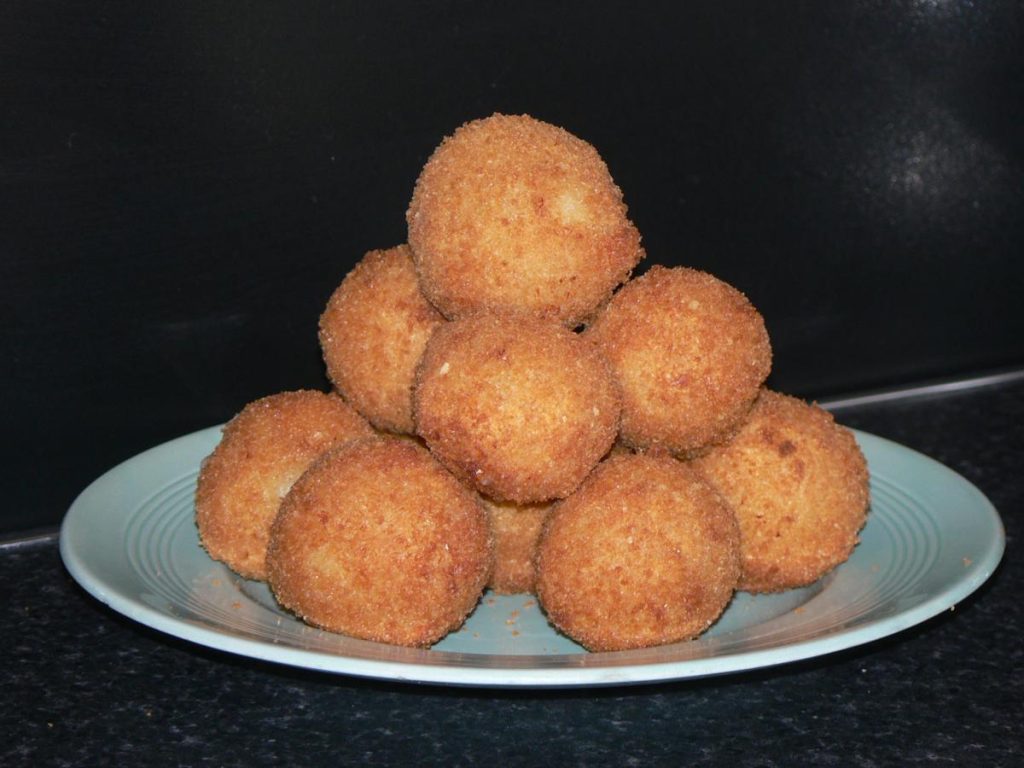
An article called ‘Leftovers are a cheaper, greener option’ at the Daily Telegraph reminded me of a snack/starter I hadn’t made for some time. Croquetas – croquettes or croquets in English, are a tasty way of using up small amounts of leftovers.
Continue reading Croquetas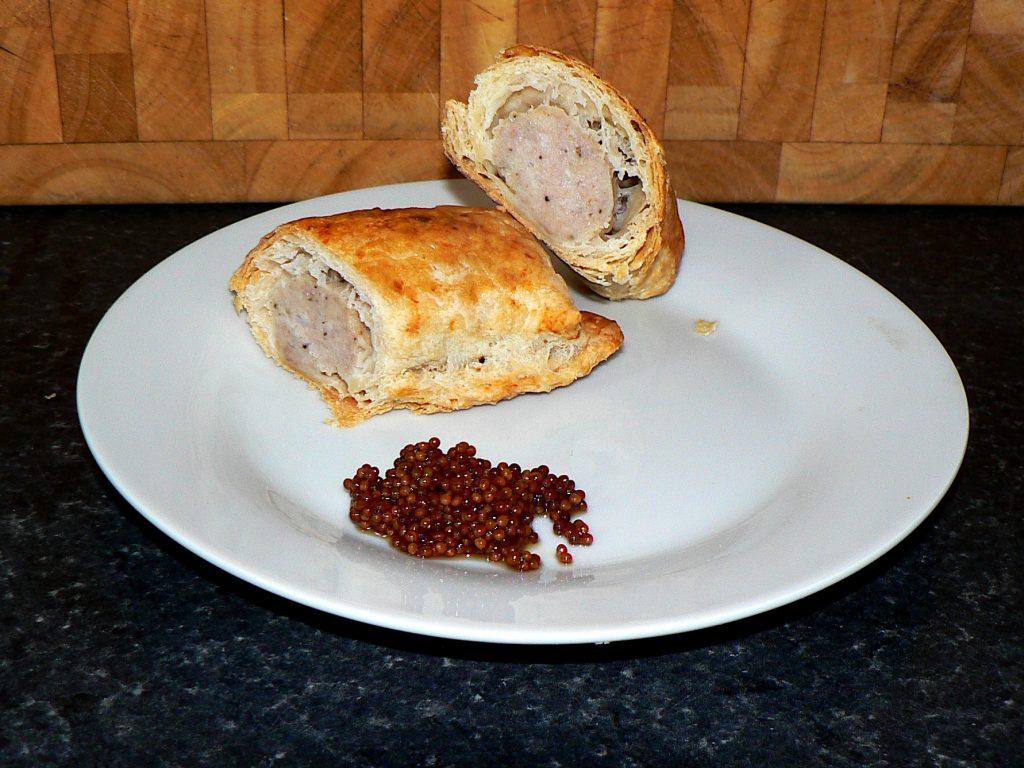
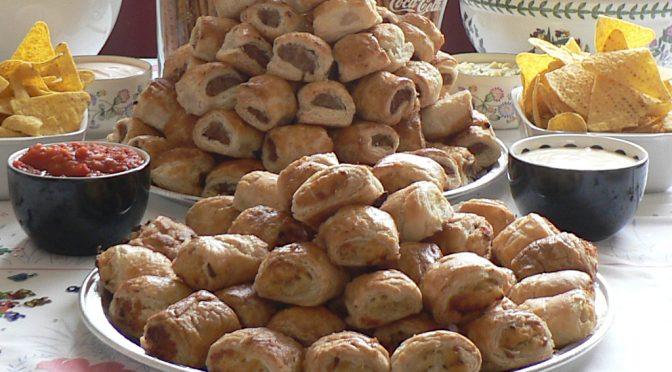
Having made the sausagemeat for rolls it’s a fairly simple task to make it into sausage rolls.
I prefer to use a rough puff pastry rather than a shortcrust or shop-bought puff pastry but these could also be used. I make the pastry using this quick rough puff pastry recipe.
I’ve dropped a clanger by not taking a photo of the sheet of pastry after it’s rolled out but I roll it to approx 250mm (10″) by 400mm (16 “). Square the edge off that’s nearest you. I will make 2 long rolls from this that I’ll then divide each one into 4 individual sausage rolls.
For approximately 100gm rolls use 170gm of sausage meat and roll pieces to form a long sausage to lay along the nearest edge. Then, lifting the pastry, roll it to just encase the meat. At this stage dampen the next inch or so of pastry with water (I think that water is better than egg wash for this) and roll the meat/pastry roll onto this. The roll can be cut away from the sheet at this stage.
Continue reading Sausage Rolls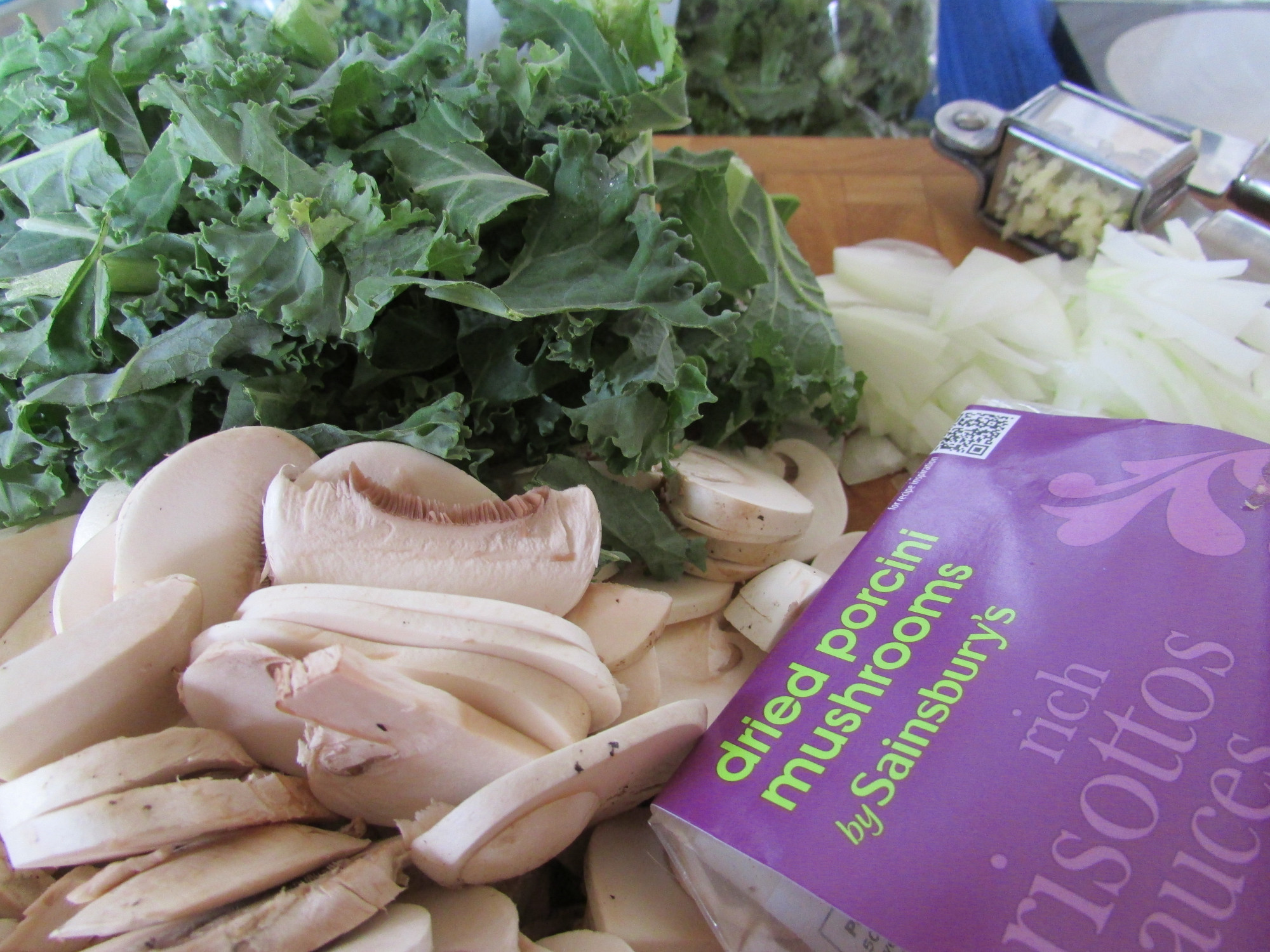
I’ve never been really happy with using water instead of stock for vegetarian soup but vegetable stock powder invariably gives a celery flavour to the whole soup and to be honest, even when I’ve made vegetable stock I’ve never been really happy with it.
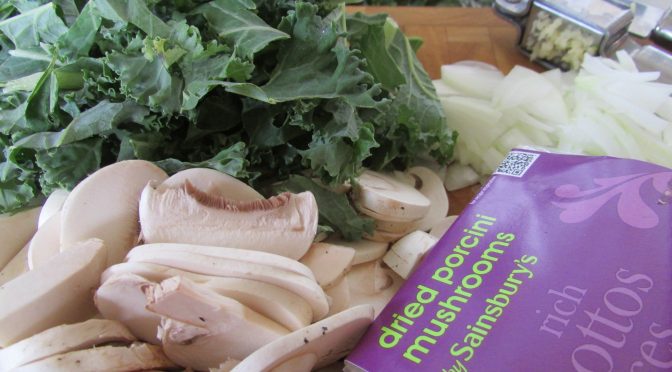
However, I think that I’ve found the answer, at least for mushroom soups. Dried Porcini absolutely transforms them. I’d never bothered with it until now because of the price. But recently I’ve been looking for things that help to lower my calorie intake and have been surprised, it’s not always the lower-calorie items that are best. For example, you get far more ‘bang for your buck’ from high-calorie Stilton than a reduced calorie cheese. Just try it, tiny pieces of stilton will add flavour whereas you’d need double the amount of a lower-calorie product. Well, when I was thinking along these lines, I also realised that the same applies to using very small amounts of expensive items and there’s no doubt that Porcini is expensive: £60 – £80 per kilo but if you only use 10gm it’s only 60p or about 10p per bowl.
Continue reading Mushroom and Kale SoupFrom 2008.
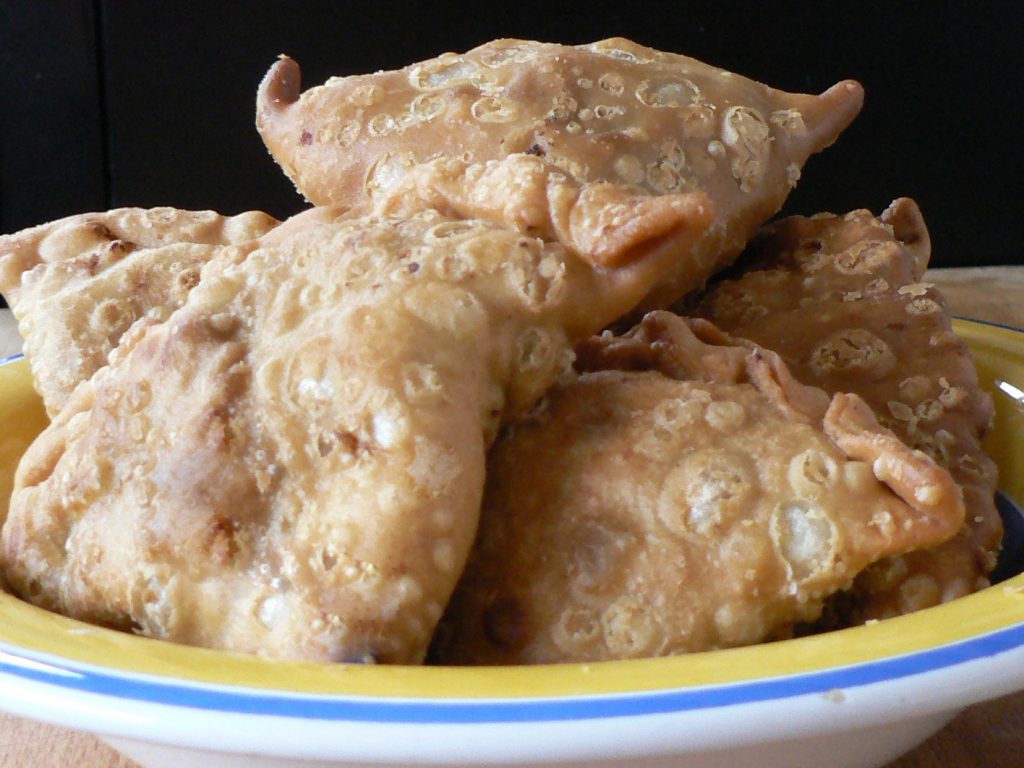
A friend brought me some samosas from a shop on Green Lane Road, Leicester to try and they are superb. Mind you, the tamarind dip which accompanied them about blew my brains out!
Continue reading Samosas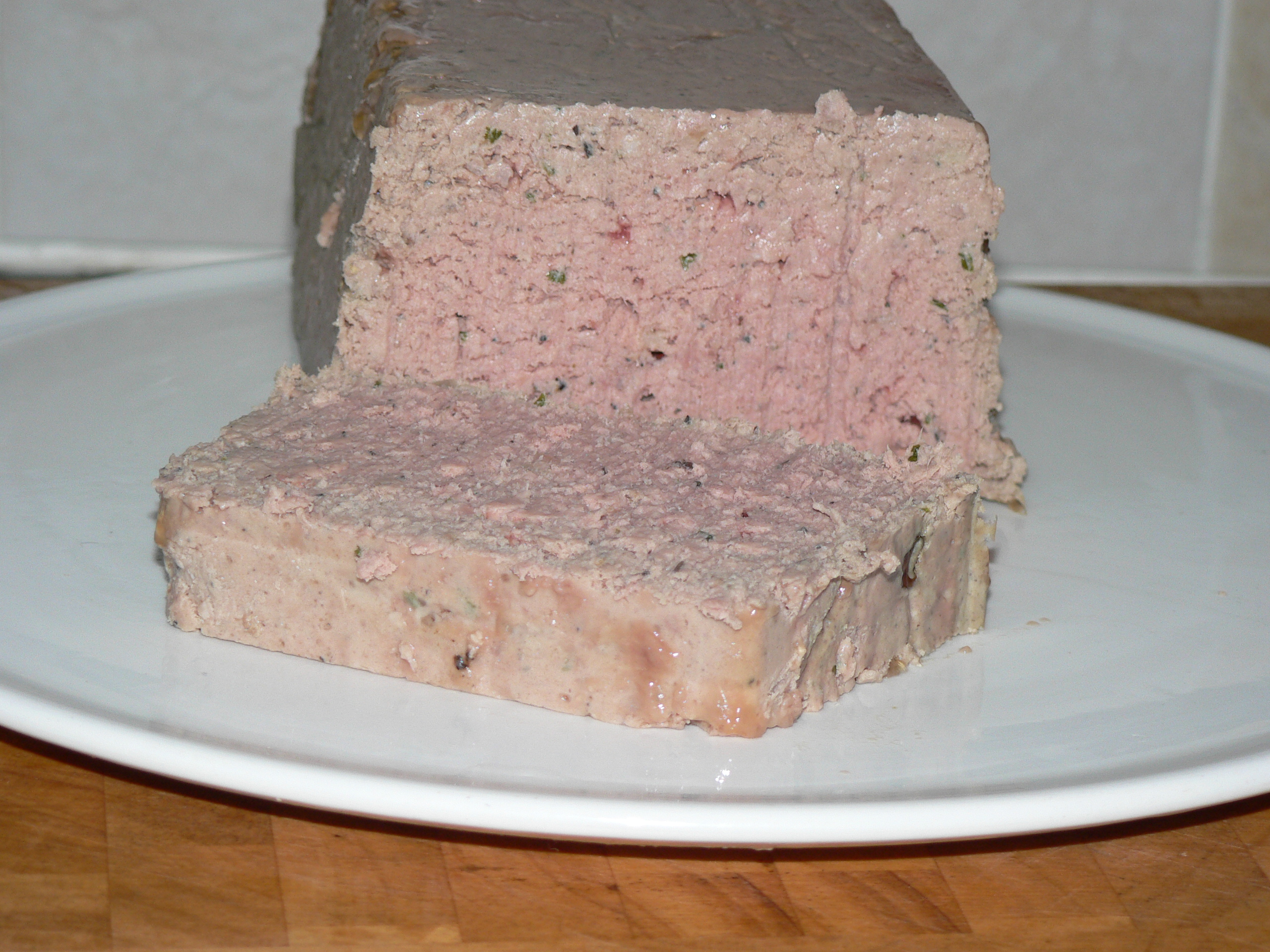
In 2009, I wrote:
There are only so many faggots a man can take (I hope that no one in the US misunderstands this!). So what’s different that you can do with the masses of pork liver from your half pig? Liver pâté is the obvious one but it’s taken me ages to find a recipe that isn’t just too… …well just too ‘livery’.
This recipe, a slight amendment of the one from ‘Charcuterie’ by Michael Ruhlman and Brian Polcyn, is the best so far. The one I formulated myself was too strong in the liver department, and bitter in taste. In my notes I wrote: “add breadcrumbs/rusk, add milk product”, that’s exactly what this recipe does. Some parts of the method are my additions.
Ingredients
1 lb/450 gms pork liver, cut into large chunks
1 lb/450 gms boneless pork shoulder, diced
1 ounce/25 gms salt
1 tsp/3 gms freshly ground black pepper
2 bay leaves
2 sprigs fresh thyme
2 tbsp/30 ml vegetable oil
¼ cup/50 gms chopped shallots
2 tbsp/30 ml brandy
2 slices white bread, crusts removed and roughly chopped
½ cup/120 ml whole milk
¼ cup/60 ml double cream.
2 large eggs
1 tbsp/6 gms chopped fresh flat-leaf parsley
¼ tsp/0.5 gm ground white pepper
½ tsp/1 gm freshly grated nutmeg
Method
1. Put the meats in separate bowls with half the salt, pepper, thyme and bay in each, mix and marinate separately for 8 hours or overnight.
2. In a frying pan, sear the liver in the oil until brown, add the shallots and cook until translucent, add the brandy, cook off the alcohol, scrape all the bits off the bottom of the pan and put in a bowl to cool in the fridge.
3. Mix the bread, milk, cream and eggs well and set aside.
4. Keeping everything very cold, mince everything except the bay and thyme (which can be thrown away) through the fine plate of your mincer. (watch out as the liver has a tendency to squirt through the mixer plate!).
4. If you want an even finer pâté put the lot in the freezer with your food processor bowl for 20 minutes or so. Then process until very fine. Check the temperature with a thermometer regularly – don’t let it exceed 15°C. (Food processors heat food very quickly so watch out – or omit this step).
5. Line a mould with cling film, greaseproof paper, or baking parchment and fill it pushing the mix into the corners. Cover the pâté with the chosen lining and then with foil.
6. Put in a bain-marie (roasting tin of hot water) in the oven at 150°C, test with a thermometer after about 1-1½ hours – remove when it’s been above 65°C for 10 minutes if using pork (or when it reaches 72°C for chicken liver).
7. Put weights on top of the pâté and cool.
Recipe Index created by Visual Recipe Index